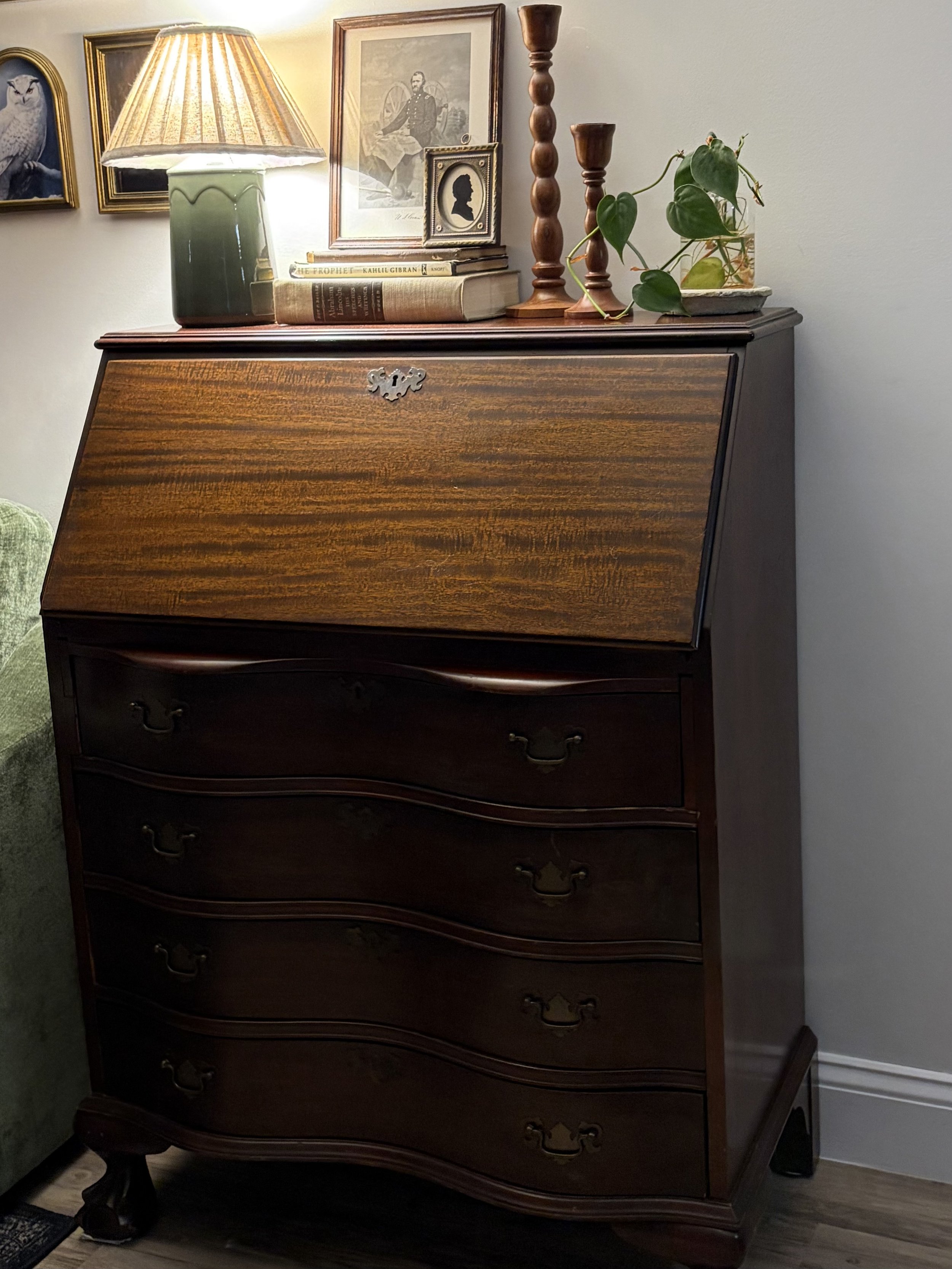
The Unpopular Design Opinion: Not Every Original Feature Needs to Stay
We love old homes - LOVE THEM!
The millwork. The craftsmanship. The strange little details you'd almost never find in new construction (the smell - if you know you know!)
But loving historic character doesn't mean believing every old thing is automatically worth preserving.
Sometimes old is beautiful.
Sometimes old is simply old.
And knowing the difference matters.
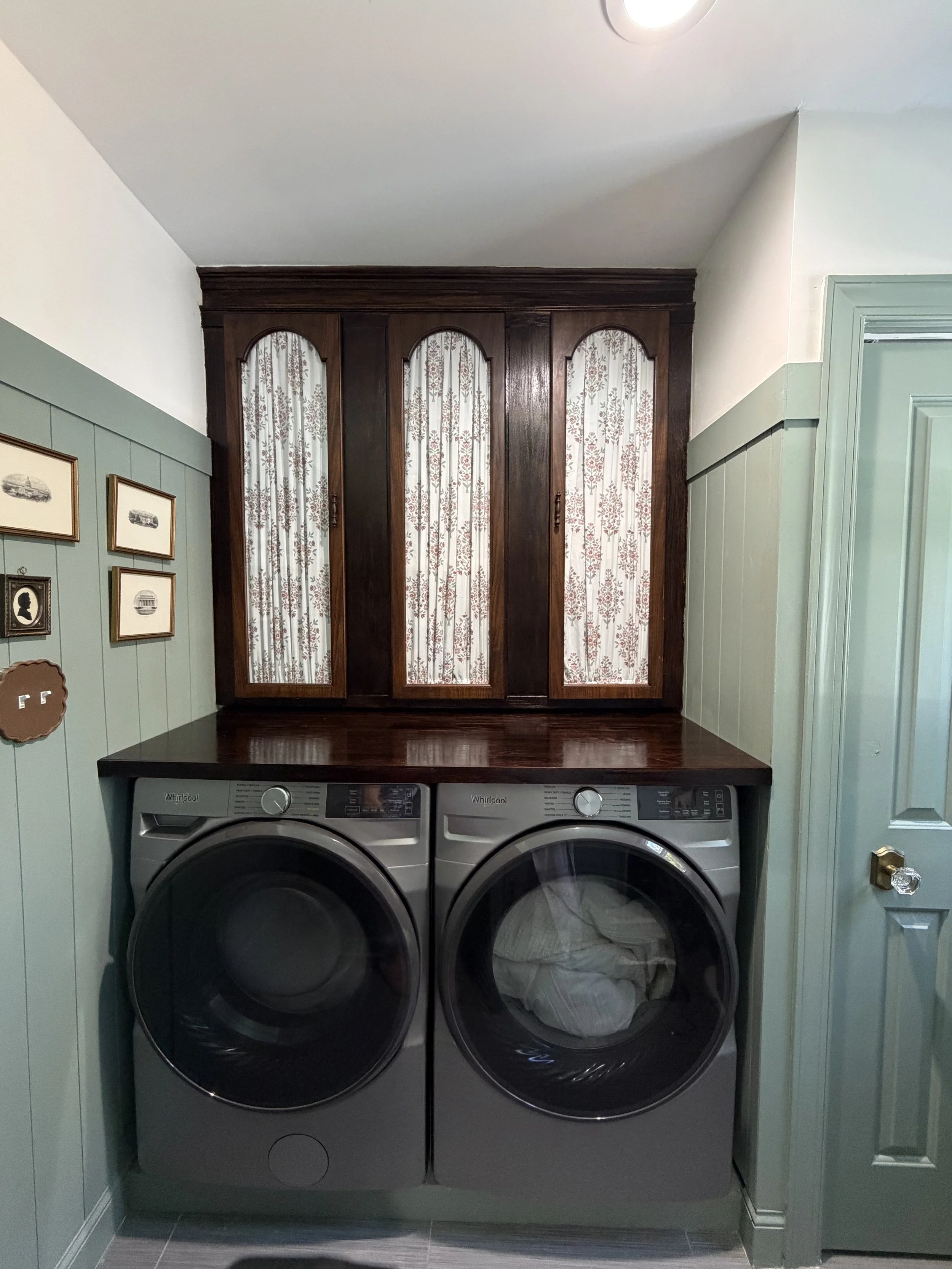
Preserve Character, Not Dysfunction
Original hardwood floors with decades of wear?
Probably worth investigating.
Beautiful interior doors?
Keep them.
Old brass hardware?
Please don't throw it away just yet.
But a poorly constructed cabinet from a bad 1980s renovation isn't suddenly precious because another forty years have passed.
Neither is a layout that makes the home impossible to use.
Preservation should have intention behind it.
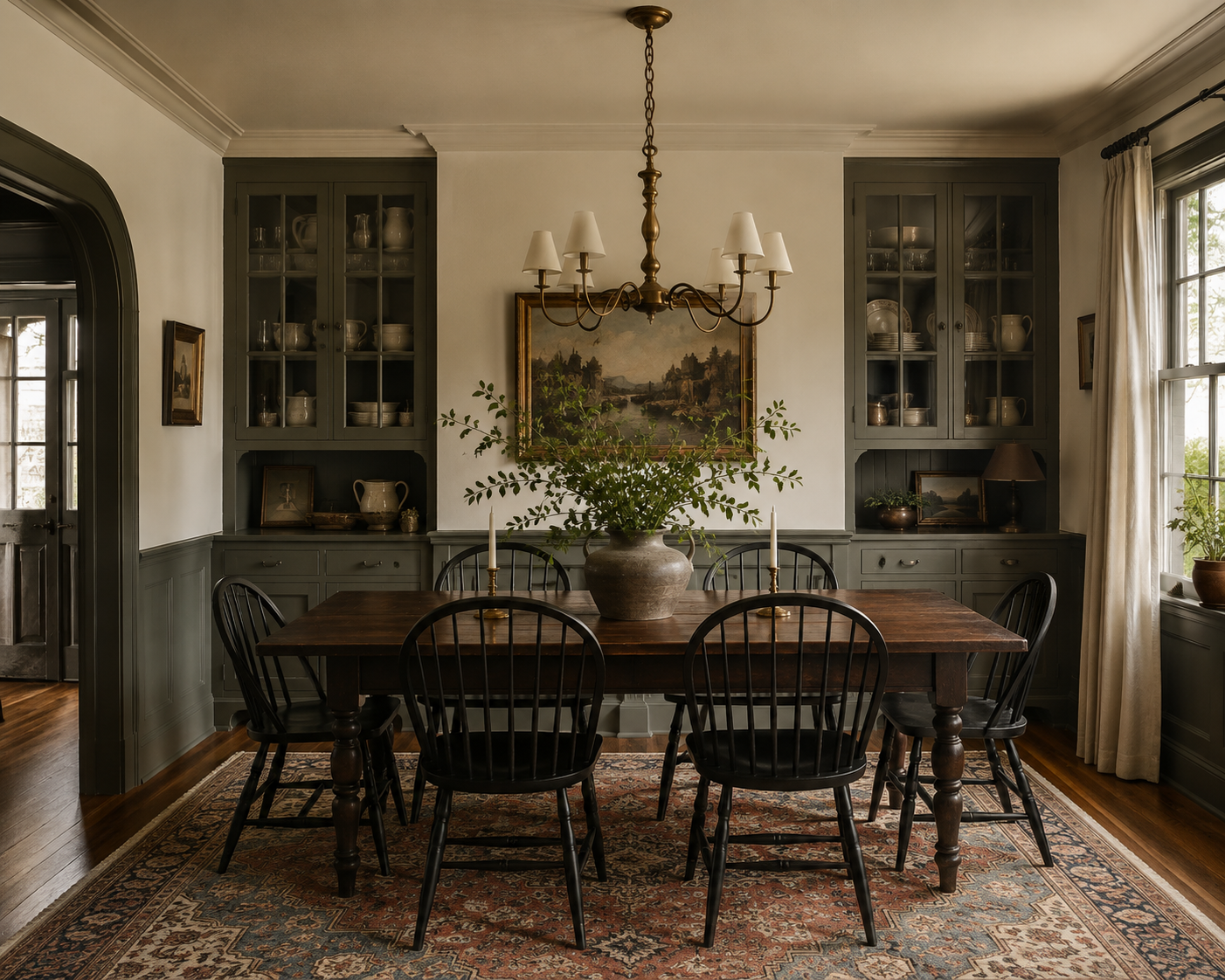
Ask What the Feature Contributes
Before removing an older element, consider:
Does it tell us something about the house?
Is the craftsmanship difficult to reproduce?
Does it contribute architectural character?
Can it be repaired?
Could it be adapted rather than eliminated?
If the answer is yes, preservation may add enormous value to the design.
If the answer is no, changing it may actually allow the home's better features to become more visible.
Old and New Can Respect Each Other
Renovating thoughtfully doesn't mean creating a time capsule.
Modern lighting can coexist with original millwork.
A new kitchen can acknowledge the architecture without pretending it was built a century ago.
Contemporary furniture can make antique pieces feel even more special.
The goal isn't to make everything old.
It's to understand what deserves to remain.
A home should carry its history forward—not become trapped by it.